Harders.dk: …We make you Harder
-

Denne pige vil du ikke drikke om kap med!
Nytårsaften er ofte en aften med drikkekonkurrencer. Skulle du ende i en konkurrence mod en som i nedenstående video, så har du tabt på forhånd.
-

Hope Beel – Så bliver fitness ikke mere lækkert
Den Dallas-baserede fitness-model og personlige træner Hope Beel har mere end en halv million følgere på Instagram. Det er der en grund til. Denne gennemlækre fitnesskvinde har en sjælden kombination af styrke og skønhed, der ikke kan ret meget andet end at imponere. Det er helt tydeligt, når du tjekker Hope Beels billeder, at det vigtigste ord for hende…
-

Hvem lagde en lort på hovedet af Meghan Markle?
Billeder fra Meghan Markles første kongelige jul løber lige nu jorden rundt på Internettet. Sikkert ikke af de grunde, som Meghan Markle kunne have ønsker, men hvis hun bare har en lille smule humoristisk sans, så går de nuværende billeder ind i de kongelige analer som nogen af de sjoveste billeder fra kongehuset i 2017.…
-

Disney-sangerinde: Der er en UFO over Californien!
Hundreder af mennesker ringede til politiet for at rapportere ‘alien’-aktivitet på nattehimlen i går. Det spektakulære syn kunne ved første øjekast også sagtens ligne, at Jorden skulle lægge baghave til et besøg fra det ydre rum. SpaceX var dog hurtige til at berolige de mest nervøse jordboer ved at fortælle, at det bare var en opsendelse af en SpaceXs Falcon…
-
Verge Coin – Skal man investere i den?
Du kan finde Verge Currency på www.vergecurrency.com, ligesom du kan handle med den på f.eks. Binance. Originalt blev Verge Currency skabt i 2014 under navnet DogeCoinDark. Først i 2016 blev den elektroniske valuta rebranded med det nuværende navn. Verge er fra starten tænkt som en sikker og anonymiseret cryptocurrency, der er bygget med entydigt fokus på privatliv og…
-

Sådan kommer du i gang med Bitcoins
En af 2017s helt store samtaleemner er uden tvivl Bitcoins. Efter en enkelt Bitcoin for første gang blev mere end 10.000$ værd, blev den digitale valuta pludselig til varmt emne. Der har ikke været en eneste dag siden november, hvor den digitale møntfod ikke er blevet nævnt i aviserne. Både de seriøse og de mindre…
-

Jocelyn Chew er lige til at tygge på Instagram
Jocelyn Chew er uden tvivl en af de hotteste piger på Instagram lige nu. Den canadiske model med kinesiske og islandske rødder er så hot, at den hvide jul er blevet aflyst. Jocelyns modelkarriere tog rigtig fart, da hun deltog i det amerikanske reality-tv-show The Face, hvor hun lærte at opføre sig som en professionel…
-
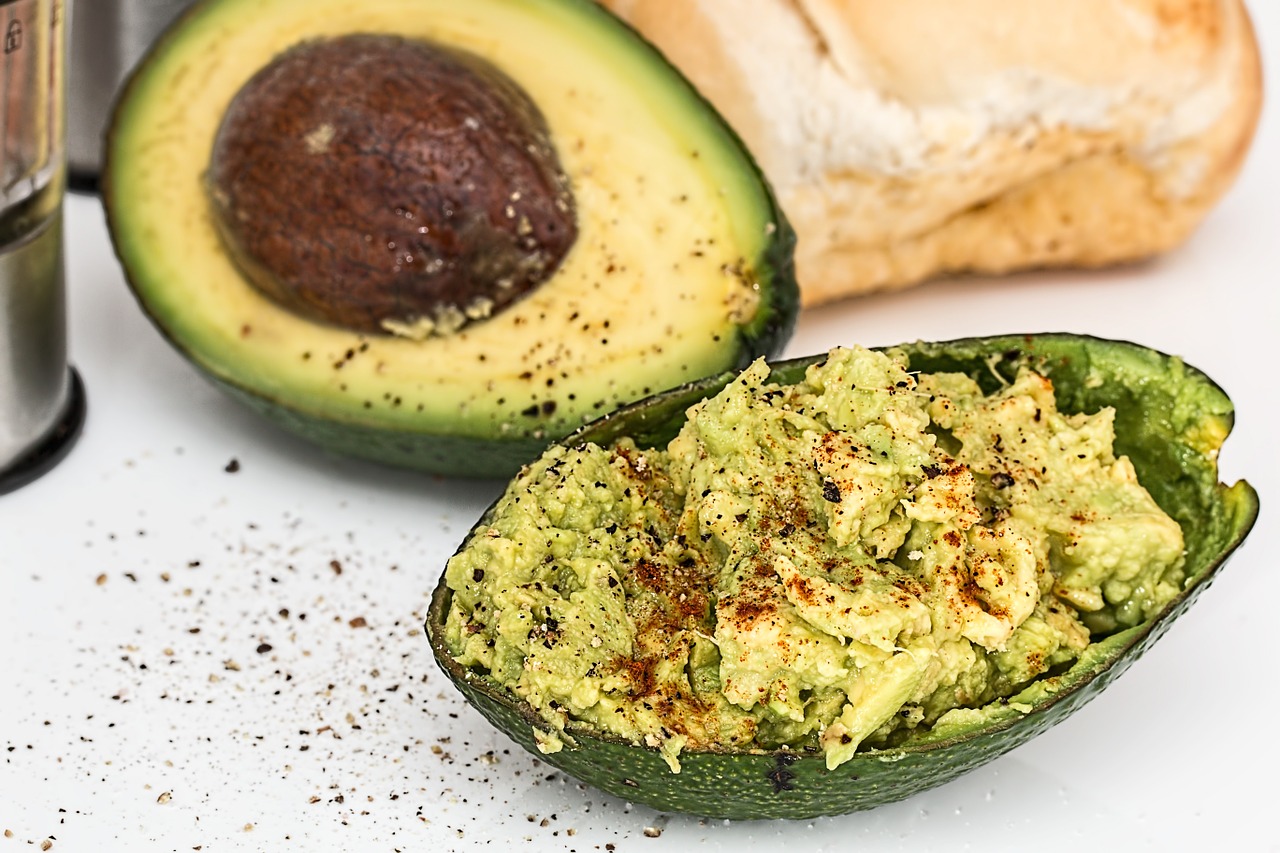
Avocadohånd er veganernes arbejdsskade nummer ét
Avocadoer er hot som aldrig før. Vi æder os igennem flere kilo lækre grønne spiseting hvert eneste år. Selvom det er en frugt/grøntsag, der kræver masser af energi at få til at vokse og derefter høste dem og fragte dem til Danmark. Alle de fantastiske veganer, der ikke spiser kød pga. miljøet, kan sagtens tonse fire…
-
Eksisterer gud? Det kan måske besvares med det kosmologiske argument!
Spørgsmålet om, hvorvidt Gud eksisterer, er omstridt og ofte diskuteret. Der er dog ikke nogen håndfaste beviser for det ene eller det andet. På det sidste har en video rumsteret på de sociale medier, der bruger det kosmologiske argument til at bevise, at der eksisterer en gud. Det kosmologiske argument er følgende: Alt som har…
-

Rollespil din indre svinehund med Pugmire
Selvfølgelig har vi på Harders en forkærlighed for Dungeons and Dragons. Rollespil er bare noget, som har en sær tiltrækning på mange, der gerne vil dyrke deres indre nørd. Heldigvis er Dungeons and Dragons ikke det eneste rollespil, der eksisterer, og mange rollespilsgrupper forsøger sig med mange andre systemer i håbet om at finde præcis…